Posts for: #Team-Leadership

XP 3.0: AI Validates What Extreme Programming Got Right

XP 3.0: AI Validates What Extreme Programming Got Right

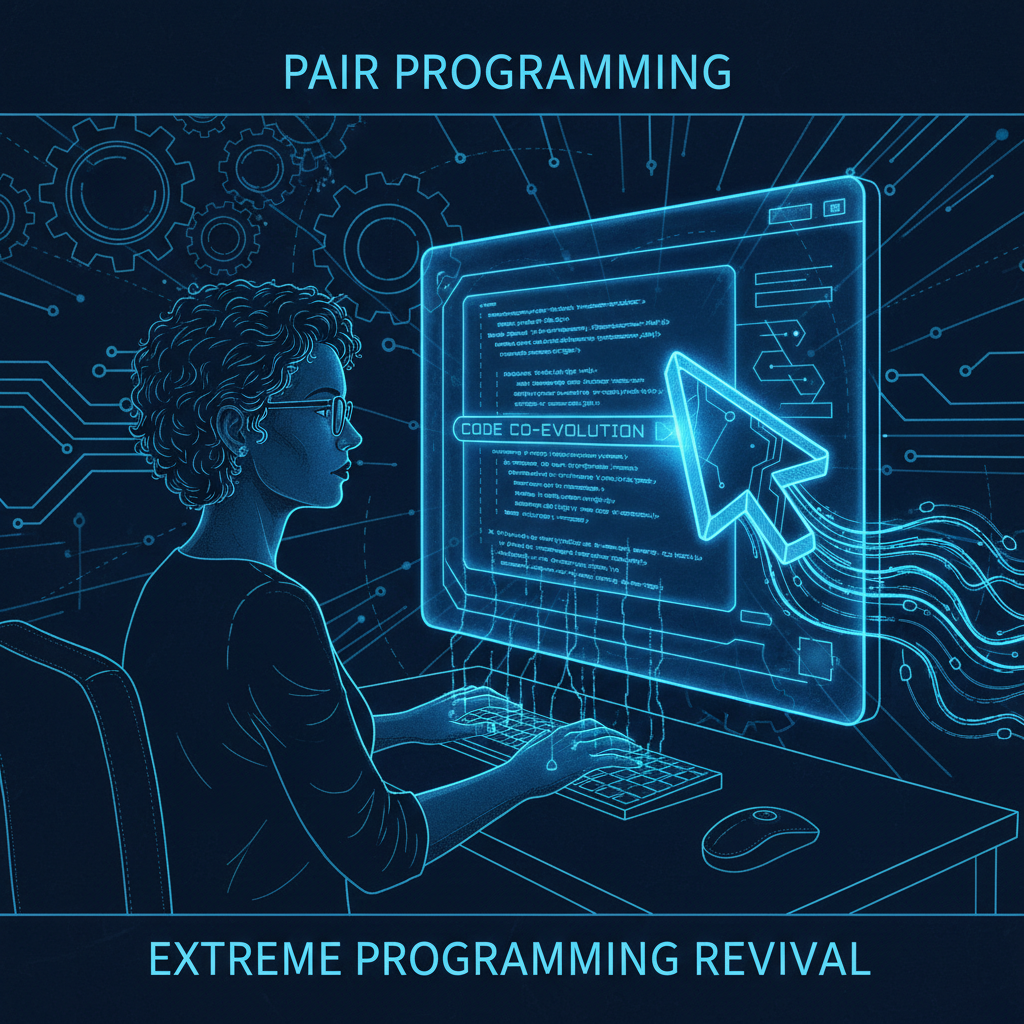
Extreme Programming evangelists knew pair programming, TDD, code review, and simple design produced better software. The industry mostly ignored them. Too expensive. Too slow. Doesn’t scale.

AI changes this calculation completely. We all pair program now - with AI. TDD keeps AI on rails. AI-to-AI code review catches what humans miss. Simple design matters more than ever because AI needs clean structure to understand context.

XP was right. AI makes it practical.
[Read more]

Async-First Remote Teams: Leading 35 Engineers Across Time Zones

Async-First Remote Teams: Leading 35 Engineers Across Time Zones

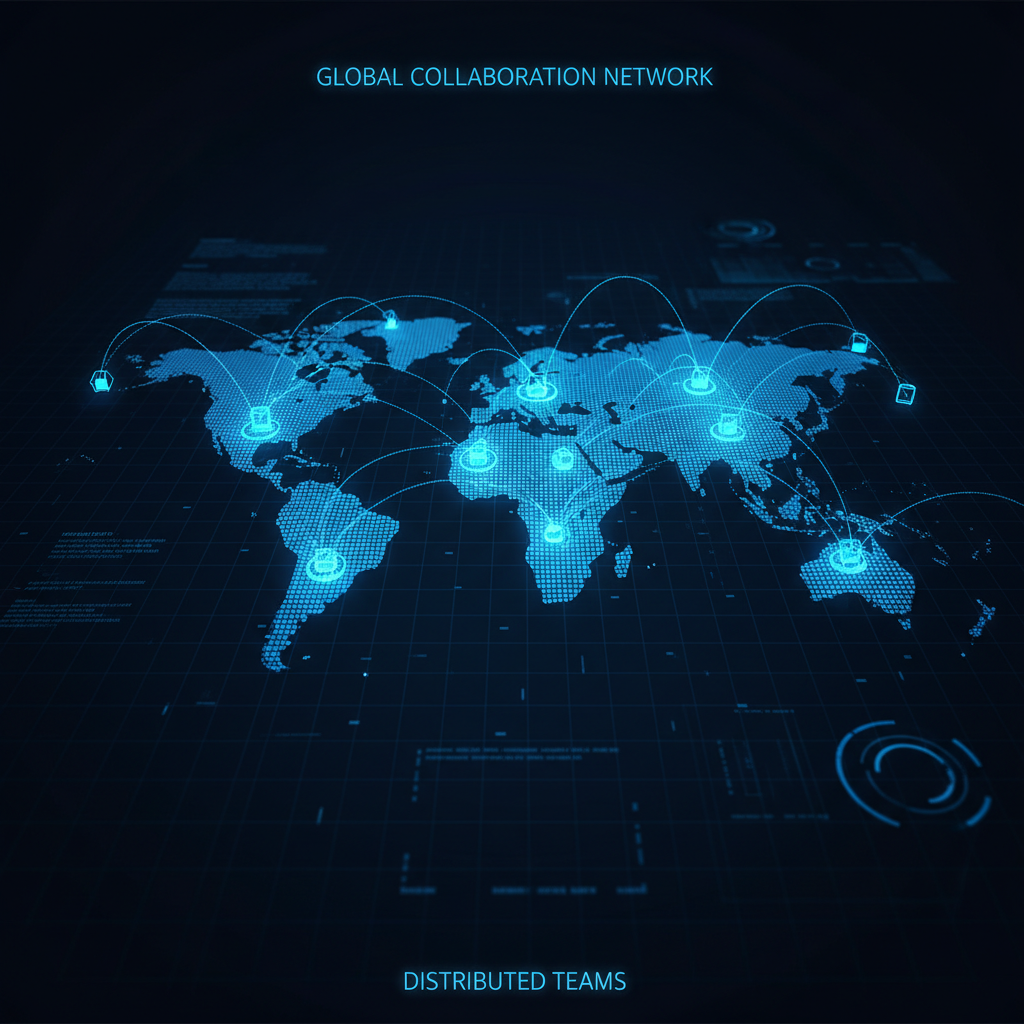
Synchronous meetings don’t scale across six countries and four time zones. Someone is always on a call at 2am or missing context from the 9am standup they couldn’t attend.

Async-first communication solves this. Write decisions down. Document context. Use tools like Clarity for status visibility. Make meetings the exception, not the default. Result: 97% retention over 4 years at Digital Turbine leading 35 remote engineers across 6 countries.

Write Everything Down

Meetings generate decisions. Conversations surface insights. Neither persists unless written.

[Read more]

Clarity: AI-Powered Team Transparency Through Text

Clarity: AI-Powered Team Transparency Through Text

Distributed teams lose visibility into what everyone is doing. Managers interrupt with status requests. Developers context-switch to update multiple systems. Jira tickets don’t reflect reality. Confluence pages go stale. Git commits tell part of the story.

Clarity solves this by using AI to synthesize status from all these sources into readable text that humans actually want to read.

The Architecture

Model Context Protocol (MCP) servers pull data from Jira, Confluence, and Git into a shared context window. AI processes this nightly, generating personalized daily status reports in Markdown. Each team member reviews their pre-baked summary via chat, CLI, or any text interface. Management gets real-time access to these reports and generated dashboards.

[Read more]

Writing: The Enterprise Architect’s Primary Tool

Writing: The Enterprise Architect's Primary Tool

Enterprise architects bridge executives, developers, and users. No tool automates this. The primary skill is writing - clear, concise documentation that aligns technology with business goals.

AI makes this more important, not less. LLMs need context. Agents need documentation. Teams need alignment. All of this starts with written artifacts.

Strategic Alignment Requires Written Clarity

Technology alignment begins with understanding business goals. This means listening, asking questions, and writing down what you learn. Written documentation creates shared understanding across the organization.

[Read more]

Conventions That Scale: File Naming Standards in Production AI Systems

Conventions That Scale: File Naming Standards in Production AI Systems

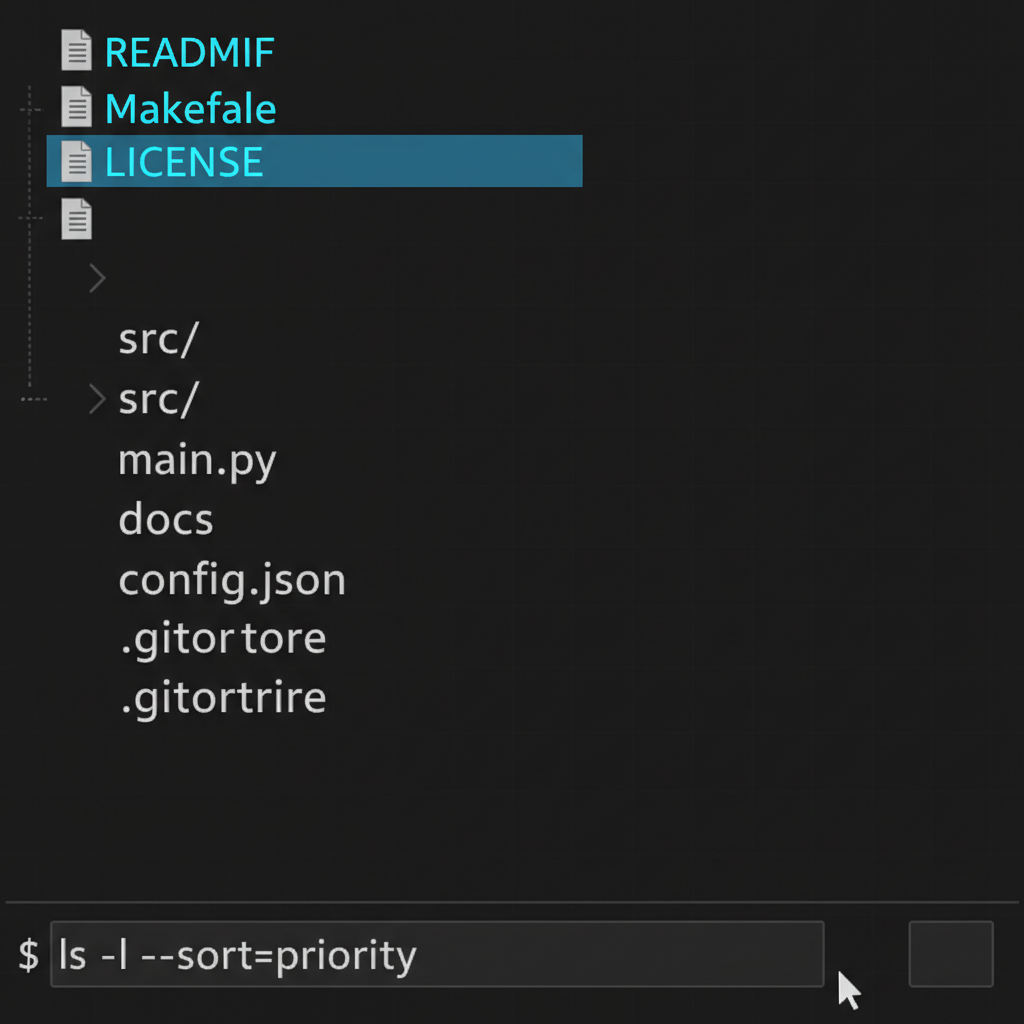
In production AI systems processing millions of files daily, naming conventions aren’t trivial details - they’re critical infrastructure decisions. A recent incident where a junior engineer renamed all uppercase files to lowercase caused our data pipeline to miss critical configuration files for three hours. This highlighted why understanding and respecting established conventions matters.

The Power of Visual Hierarchy

Traditional Unix systems established uppercase filenames for important files - README, Makefile, LICENSE. This wasn’t arbitrary; it leveraged the ASCII sorting order where uppercase letters precede lowercase, creating natural visual hierarchy in terminal listings.

[Read more]