Posts for: #Performance

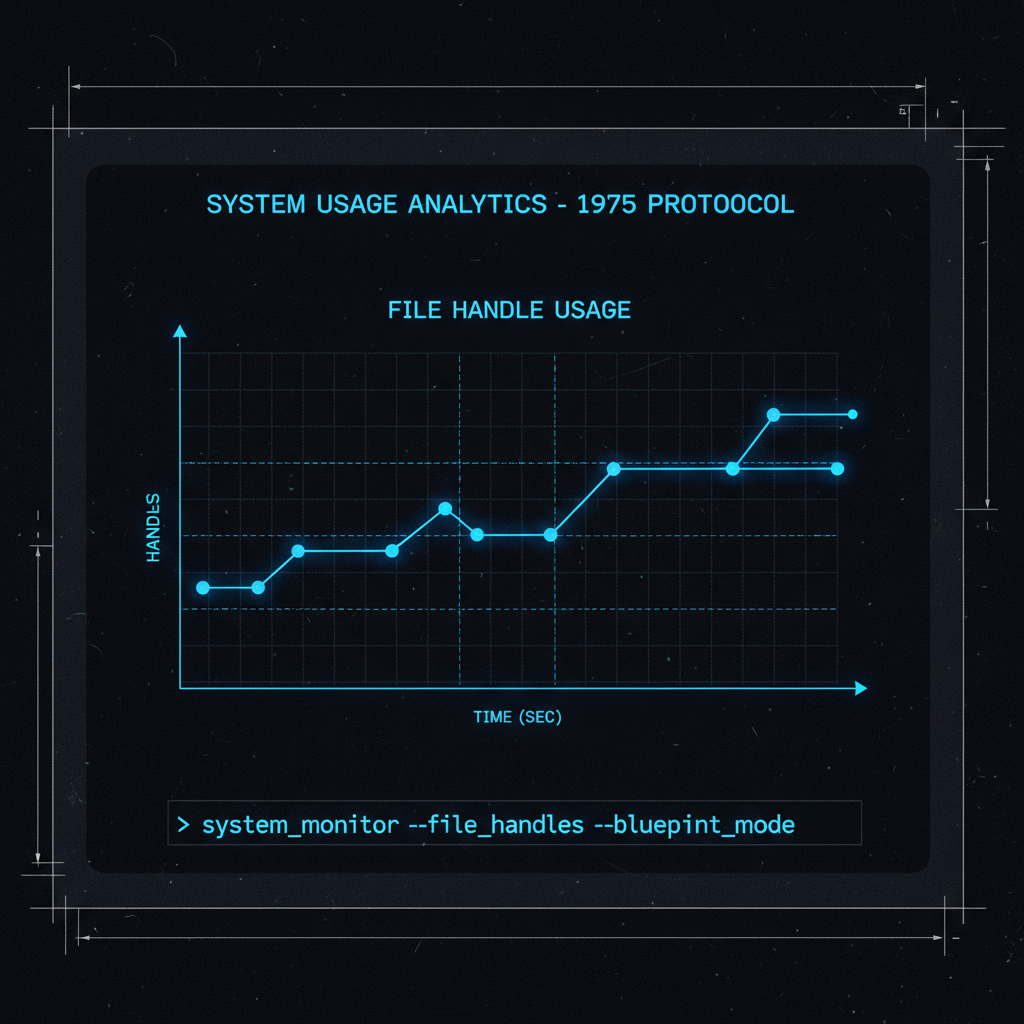
Monitoring File Handles with 1975 Technology

Monitoring File Handles with 1975 Technology

Your process is leaking file handles. You need to track which processes are consuming handles over time, spot anomalies, and correlate with system behavior. Modern observability platforms want you to install 200MB Docker images, connect to cloud services, and pay subscription fees.

Or you could use six shell scripts totaling 150 lines.

The Tools

collect - Sample file handle counts every 5 minutes avg - Calculate statistics (count, average, min, max) graph - ASCII chart of handle counts over time spikes - Find anomalies (2x average or custom threshold) top - Show processes by handle consumption timeline - Aggregate by time buckets (hourly, daily)
[Read more]

PostgreSQL for Production: The Generalist’s Database

PostgreSQL for Production: The Generalist's Database

PostgreSQL appears in every example stack across these articles. Not by accident. It’s the generalist’s database - handles relational data, JSON documents, full-text search, vector embeddings, time-series, and geospatial without specialized databases for each.

One database to learn deeply beats five databases known shallowly. Especially when AI-assisted development makes human verification the bottleneck.

Why PostgreSQL Over Specialized Databases

For structured data: PostgreSQL’s ACID compliance and relational model work.

For semi-structured data: JSONB columns with indexing eliminate need for MongoDB.

[Read more]

The Three Truths of Data-Oriented Development: Lessons from Production AI Systems

The Three Truths of Data-Oriented Development: Lessons from Production AI Systems

Mike Acton’s 2014 CppCon talk on data-oriented design fundamentally changed how I approach software engineering. After building AI systems serving millions of users, these principles have proven even more critical in production environments where data volume, transformation pipelines, and hardware constraints dominate success metrics.

Rather than frame these as “lies to avoid,” I’ve found greater value in articulating them as positive truths to embrace. These three principles have guided every production system I’ve architected, particularly in AI/ML contexts where data-oriented thinking isn’t optional—it’s fundamental.

[Read more]

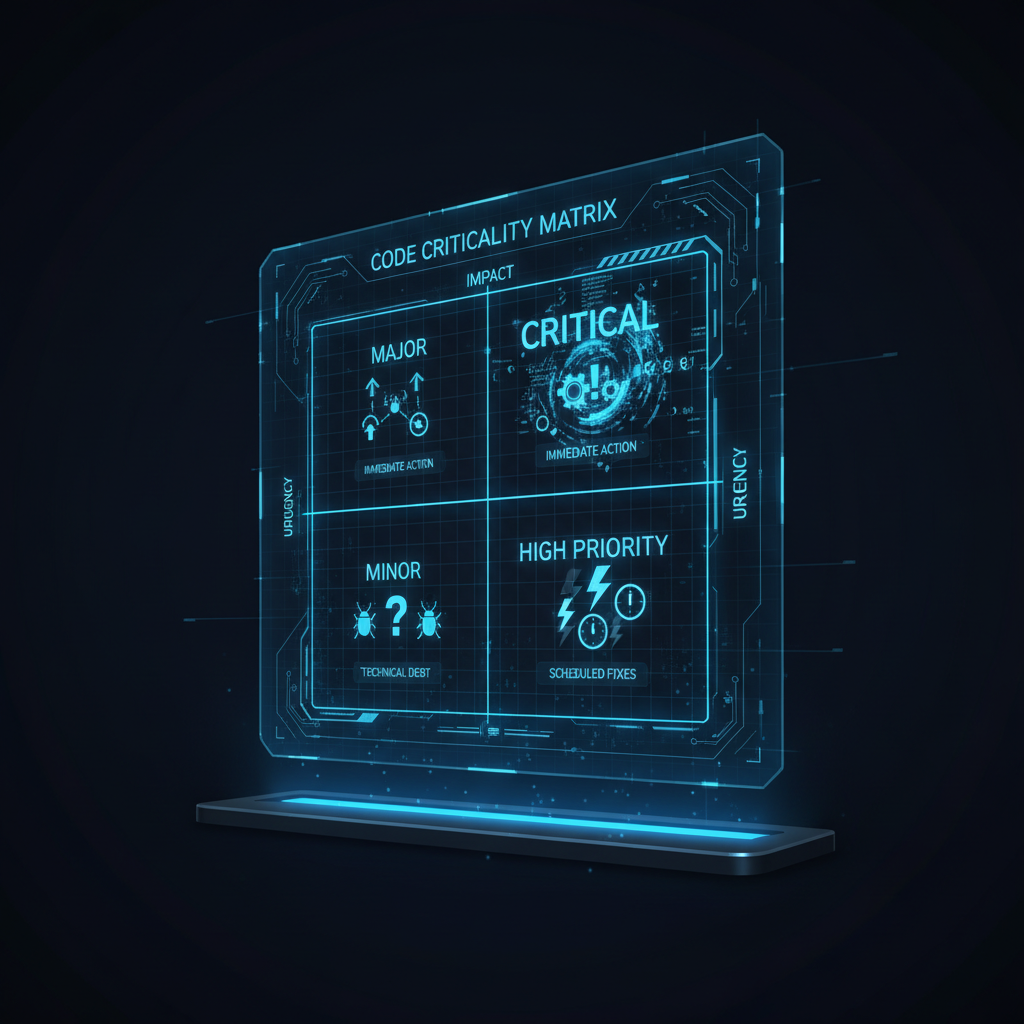
The MH-Matrix: Strategic Code Prioritization for AI-Powered Systems

The MH-Matrix: Strategic Code Prioritization for AI-Powered Systems

In production AI systems, not all code is created equal. Some components directly impact model inference speed, others affect data pipeline reliability, and some rarely execute but are critical when they do. The MH-Matrix provides a framework for strategically allocating engineering resources based on code criticality and usage patterns.

Developed through collaboration with Henry Rivera while scaling systems at Digital Turbine, this matrix has proven invaluable for teams building high-performance, AI-driven applications that serve millions of users.

[Read more]