Posts for: #Developer-Productivity

AI’s Impact on Software Development: Structural Changes Ahead

AI's Impact on Software Development: Structural Changes Ahead

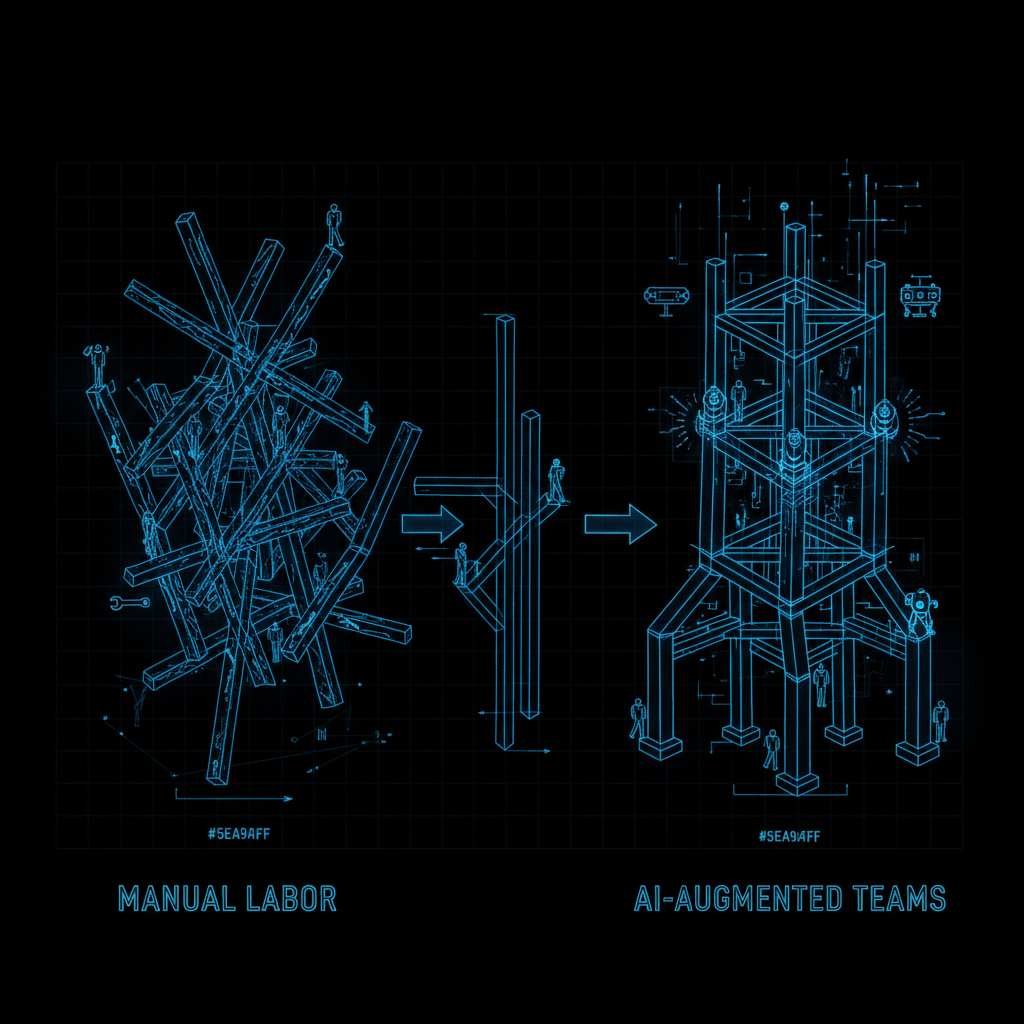
Unlike speculative technology shifts that promise revolution without fundamental need—remember the predictions about cities reorganizing around personal transportation devices?—the integration of AI into software development addresses a genuine economic imperative. Organizations face mounting pressure to reduce development costs while increasing software quality and user responsiveness. This creates the conditions for meaningful structural change in how teams operate and how systems are architected.

After evaluating several opportunities in the AI space, I’ve observed consistent patterns in how forward-thinking organizations are restructuring their development practices. The changes aren’t superficial—they represent fundamental rethinking of project dynamics, team composition, and architectural approaches.

[Read more]

Technology Sprawl in the Age of AI: Human Review is the Bottleneck

Technology Sprawl in the Age of AI: Human Review is the Bottleneck

AI can generate a 50,000-line web application with complete frontend, backend, database schema, and deployment configuration in a day. The bottleneck isn’t writing code anymore. It’s human verification. What can your team actually review and confirm is correct?

Technology sprawl - ten programming languages, twenty frameworks, five databases - maximizes this bottleneck. AI generates code in all of them. Your team can effectively review code in maybe two or three.

[Read more]

Learning from Failed Experiments: The Path to Production AI Success

Learning from Failed Experiments: The Path to Production AI Success

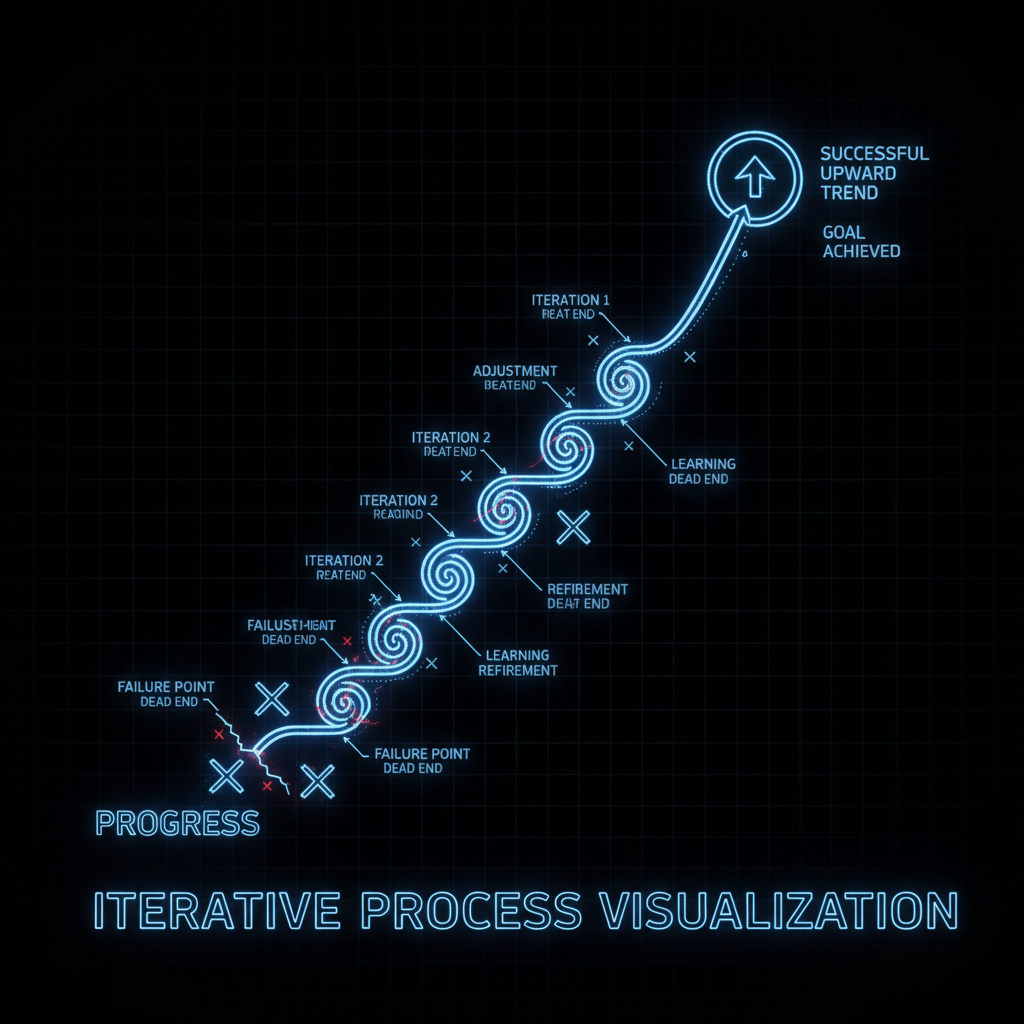
Our failures teach us more than our successes. The teams that excel aren’t those that avoid failure - they’re those that fail fast, learn systematically, and iterate relentlessly.

Reframing Failure in AI Development

In traditional software, bugs are failures. In AI development, most experiments fail, and that’s not just acceptable - it’s essential. The key distinction is between:

  • Productive failures: Experiments that conclusively prove an approach won’t work
  • Wasteful failures: Repeated mistakes from not capturing lessons learned
  • System failures: Production issues that impact users

Each requires different responses and offers different learning opportunities.

[Read more]