Posts for: #Architecture

Feature Advertisement: Backend-Driven Frontend Adaptation

Feature Advertisement: Backend-Driven Frontend Adaptation

Hardcoded feature checks scatter across your frontend. Environment differences cause confusion. Deployments mismatch. Every new feature requires frontend updates.

The feature advertisement pattern solves this: backend advertises capabilities, frontend adapts. No feature list maintained on frontend. No environment-specific code. Just ask: “Do you have X?”

Architecture

Backend maintains a feature enum and registry. Configuration controls which features are enabled. Frontend fetches the list once at startup and checks dynamically.

┌─────────────┐  GET /api/features  ┌─────────────┐
│  Frontend   │────────────────────►│   Backend   │
│             │◄────────────────────│             │
│   Adapts    │   {features...}     │  Advertises │
└─────────────┘                     └─────────────┘

Backend: Define Features

# features.py
from enum import Enum

class Feature(str, Enum):
    ADVANCED_SEARCH = "advanced_search"
    EXPORT_PDF = "export_pdf"
    BULK_OPERATIONS = "bulk_operations"
    REAL_TIME_NOTIFICATIONS = "real_time_notifications"

Single source of truth. Backend only.

[Read more]

Clarity: AI-Powered Team Transparency Through Text

Clarity: AI-Powered Team Transparency Through Text

Distributed teams lose visibility into what everyone is doing. Managers interrupt with status requests. Developers context-switch to update multiple systems. Jira tickets don’t reflect reality. Confluence pages go stale. Git commits tell part of the story.

Clarity solves this by using AI to synthesize status from all these sources into readable text that humans actually want to read.

The Architecture

Model Context Protocol (MCP) servers pull data from Jira, Confluence, and Git into a shared context window. AI processes this nightly, generating personalized daily status reports in Markdown. Each team member reviews their pre-baked summary via chat, CLI, or any text interface. Management gets real-time access to these reports and generated dashboards.

[Read more]

Writing: The Enterprise Architect’s Primary Tool

Writing: The Enterprise Architect's Primary Tool

Enterprise architects bridge executives, developers, and users. No tool automates this. The primary skill is writing - clear, concise documentation that aligns technology with business goals.

AI makes this more important, not less. LLMs need context. Agents need documentation. Teams need alignment. All of this starts with written artifacts.

Strategic Alignment Requires Written Clarity

Technology alignment begins with understanding business goals. This means listening, asking questions, and writing down what you learn. Written documentation creates shared understanding across the organization.

[Read more]

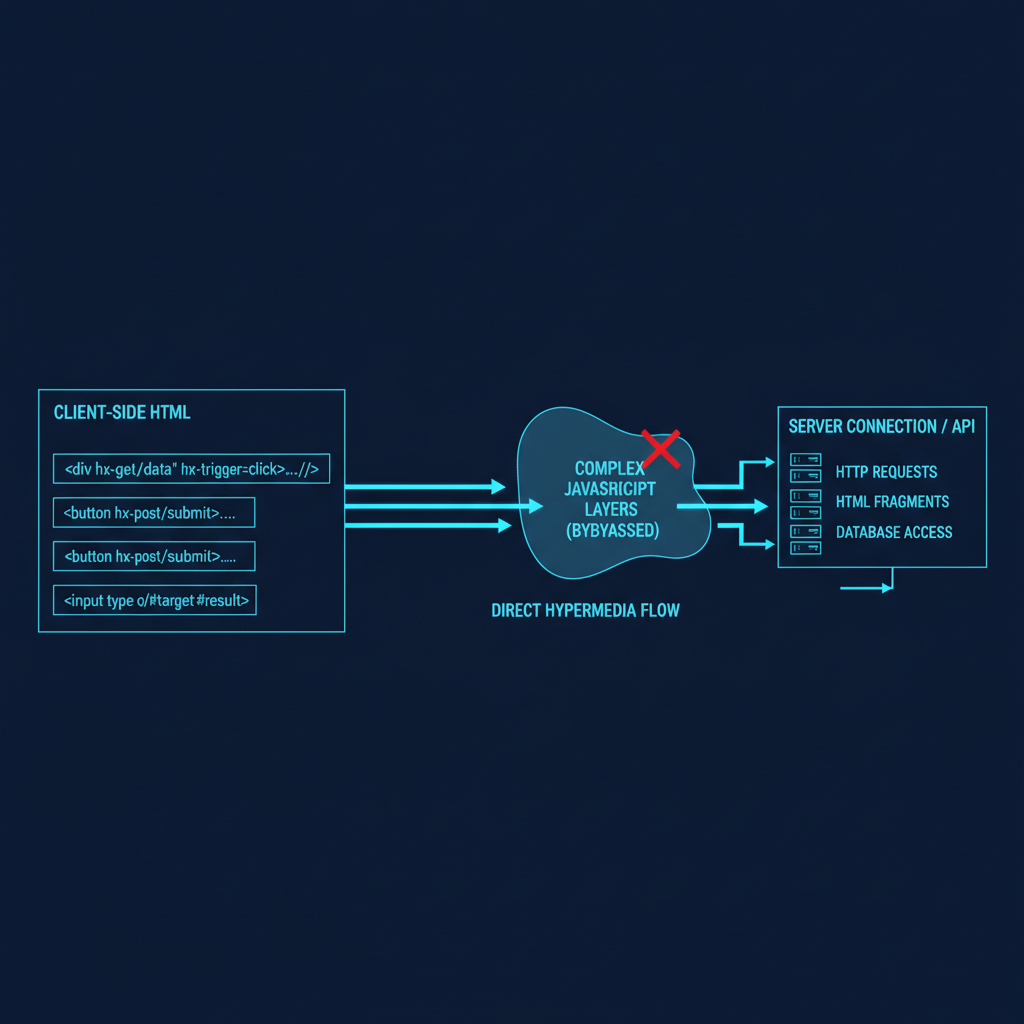
HTMX for AI Interfaces: Simplicity That Scales

HTMX for AI Interfaces: Simplicity That Scales

Modern AI applications demand responsive, real-time interfaces that can handle everything from streaming model outputs to live feature updates. HTMX offers a pragmatic approach to building these interfaces without the complexity of full JavaScript frameworks - particularly valuable when your team’s expertise lies in ML engineering rather than frontend development.

The Challenge: AI UIs Without Frontend Complexity

Building interfaces for AI systems presents unique challenges:

  • Streaming responses from large language models
  • Real-time visualization of training metrics
  • Dynamic form updates based on model predictions
  • Live collaboration on annotation tasks
  • Progressive disclosure of complex model outputs

Traditional approaches require substantial JavaScript expertise. HTMX changes this equation by extending HTML’s capabilities directly.

[Read more]

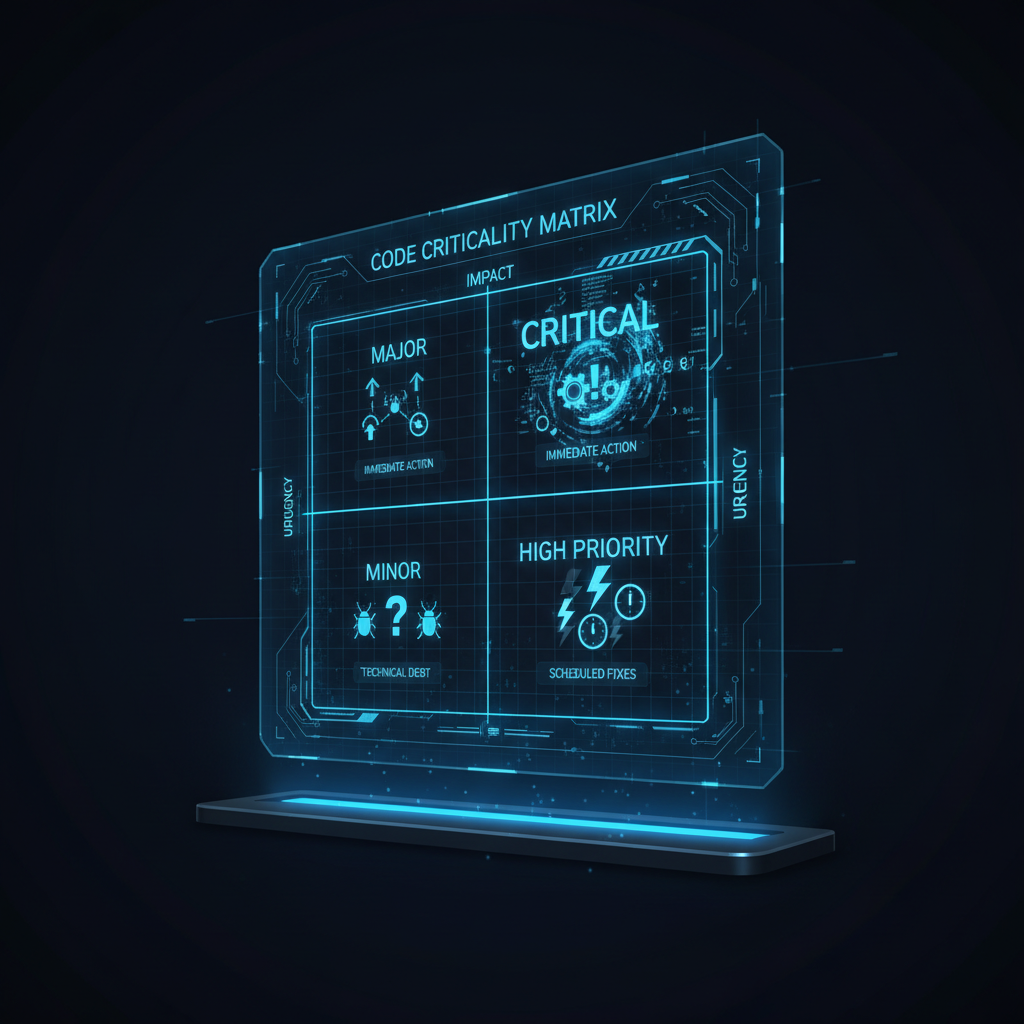
The MH-Matrix: Strategic Code Prioritization for AI-Powered Systems

The MH-Matrix: Strategic Code Prioritization for AI-Powered Systems

In production AI systems, not all code is created equal. Some components directly impact model inference speed, others affect data pipeline reliability, and some rarely execute but are critical when they do. The MH-Matrix provides a framework for strategically allocating engineering resources based on code criticality and usage patterns.

Developed through collaboration with Henry Rivera while scaling systems at Digital Turbine, this matrix has proven invaluable for teams building high-performance, AI-driven applications that serve millions of users.

[Read more]