The MH-Matrix: Strategic Code Prioritization for AI-Powered Systems
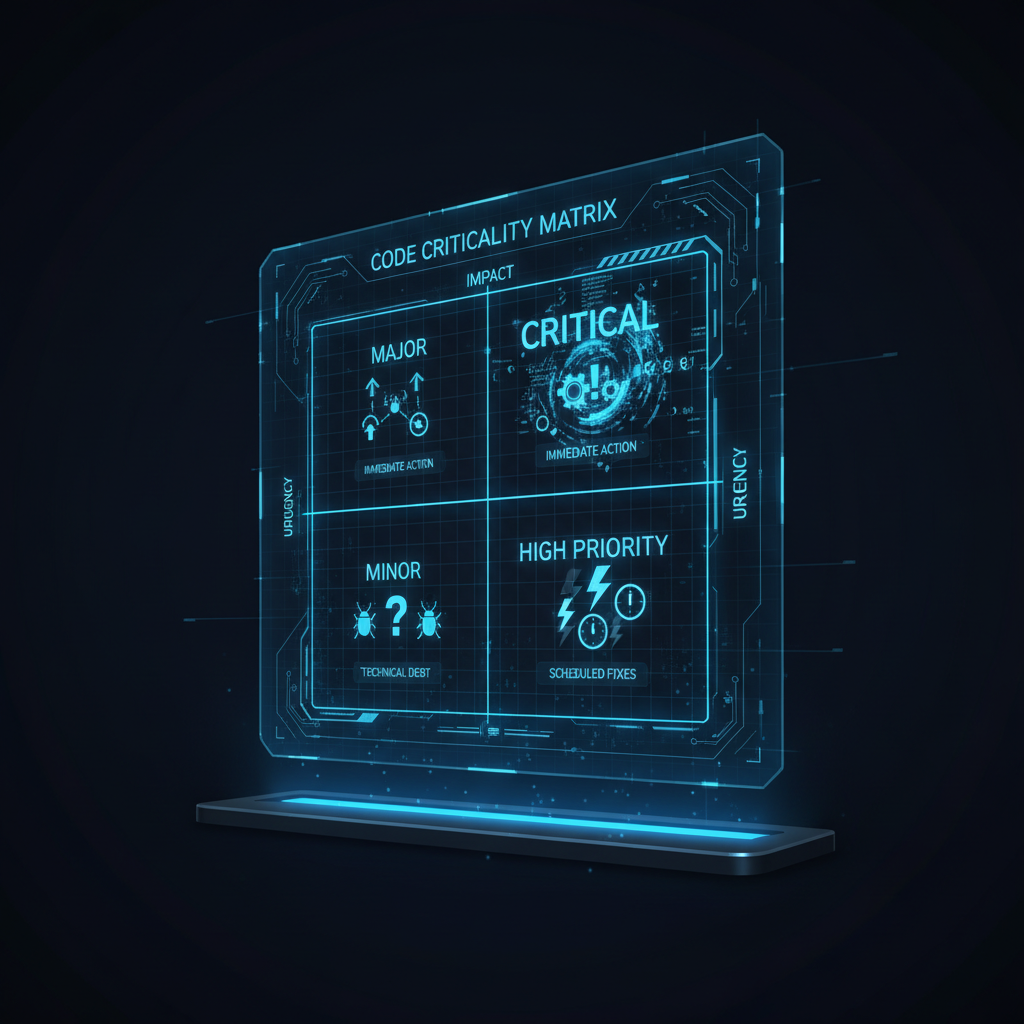
In production AI systems, not all code is created equal. Some components directly impact model inference speed, others affect data pipeline reliability, and some rarely execute but are critical when they do. The MH-Matrix provides a framework for strategically allocating engineering resources based on code criticality and usage patterns.
Developed through collaboration with Henry Rivera while scaling systems at Digital Turbine, this matrix has proven invaluable for teams building high-performance, AI-driven applications that serve millions of users.
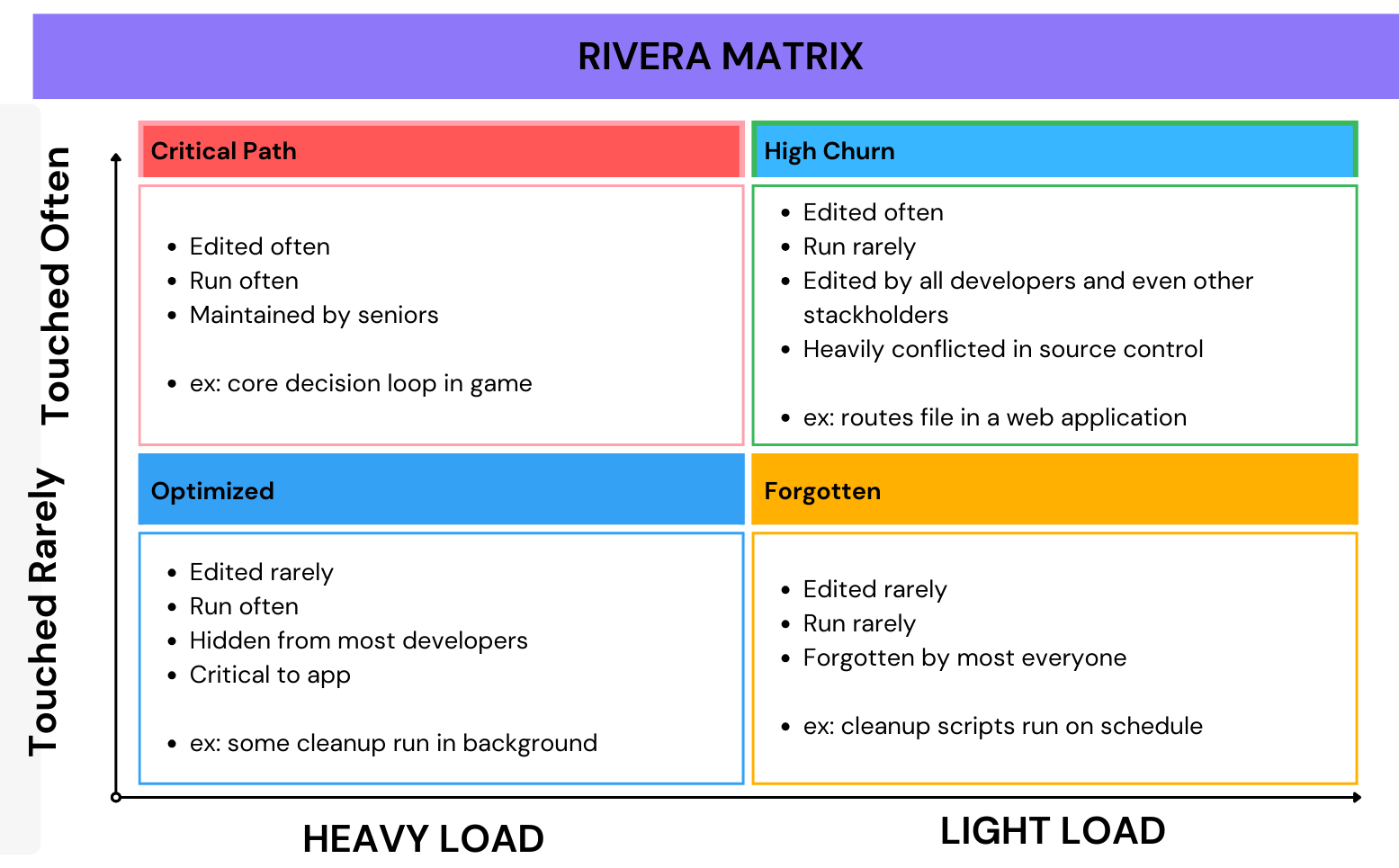
Quadrant 1: Critical Path#
This quadrant contains code that’s both frequently accessed by users and system-critical. In AI applications, this includes model inference endpoints, real-time feature extraction, and data validation layers. These components directly impact user experience and system reliability.
Resource allocation: Senior engineers with deep performance optimization experience. Code here requires extensive documentation, comprehensive testing (including load and stress tests), and careful monitoring. Every millisecond matters when you’re serving predictions to millions of users.
Quadrant 2: High Churn#
Frequently accessed but not system-critical, this quadrant typically contains business logic, API integrations, and user-facing features that evolve rapidly. In AI systems, this might include experiment configuration, A/B testing logic, and model selection heuristics.
Resource allocation: Engineers with strong communication skills who can write self-documenting code. The emphasis here is on maintainability and knowledge transfer. Clear abstractions and comprehensive documentation enable rapid onboarding and reduce technical debt as requirements evolve.
Quadrant 3: Optimized#
System-critical but accessed infrequently - this is where raw performance matters most. Examples include batch processing jobs, model training pipelines, and data migration scripts. When these components run, they need to complete quickly and efficiently to minimize system impact.
Resource allocation: Performance engineering specialists who understand hardware optimization, parallel processing, and resource management. Code readability takes a backseat to efficiency here, but automated performance benchmarks and stress tests are non-negotiable. These systems must handle peak loads without degrading overall system performance.
Quadrant 4: Forgotten#
Low frequency, low criticality - but still essential for system completeness. This includes administrative tools, legacy compatibility layers, and edge-case handlers. While these components rarely execute, they must work correctly when called upon.
Resource allocation: Automation-focused engineers who excel at creating robust test suites. The strategy here is maximum test coverage with minimal human intervention. Comprehensive automated testing ensures these components remain functional despite infrequent use. Documentation focuses on explaining why the code exists and when it’s triggered.
Strategic Prioritization for Maximum Impact#
The matrix provides clear prioritization for both development and incident response:
-
Quadrant 1 (Critical Path): Immediate attention required. Issues here directly impact user experience and system stability. In AI systems, a slow inference endpoint or incorrect feature extraction can cascade into widespread problems.
-
Quadrant 2 (High Churn): Second priority. While not immediately critical, the high visibility means issues here erode user confidence and team velocity. Focus on maintainability to reduce future friction.
-
Quadrant 3 (Optimized): Performance improvements here yield significant system-wide benefits. Optimizing a batch job from 6 hours to 2 hours creates operational flexibility and reduces infrastructure costs.
-
Quadrant 4 (Forgotten): Lowest priority for active development, highest priority for automation. Comprehensive test coverage prevents these components from becoming liabilities.
Applying the Matrix to AI Systems#
In production AI environments, this matrix becomes even more valuable:
- Model serving code typically falls in Quadrant 1
- Feature engineering pipelines often land in Quadrant 3
- Experiment tracking usually sits in Quadrant 2
- Data cleanup scripts frequently occupy Quadrant 4
The MH-Matrix provides practical guidance for resource allocation in production systems. By mapping your AI system components to these quadrants, you can make informed decisions about resource allocation, technical debt management, and system evolution.