














Projects

A selection of my favorite projects I’ve created or contributed to.

Cover image for Conventions That Scale: File Naming Standards in Production AI Systems

Conventions That Scale: File Naming Standards in Production AI Systems

In production AI systems processing millions of files daily, naming conventions aren’t trivial details - they’re critical infrastructure decisions. A recent incident where a junior engineer renamed all uppercase files to lowercase caused our data pipeline to miss critical configuration files for three hours. This highlighted why understanding and respecting established conventions matters.

The Power of Visual Hierarchy

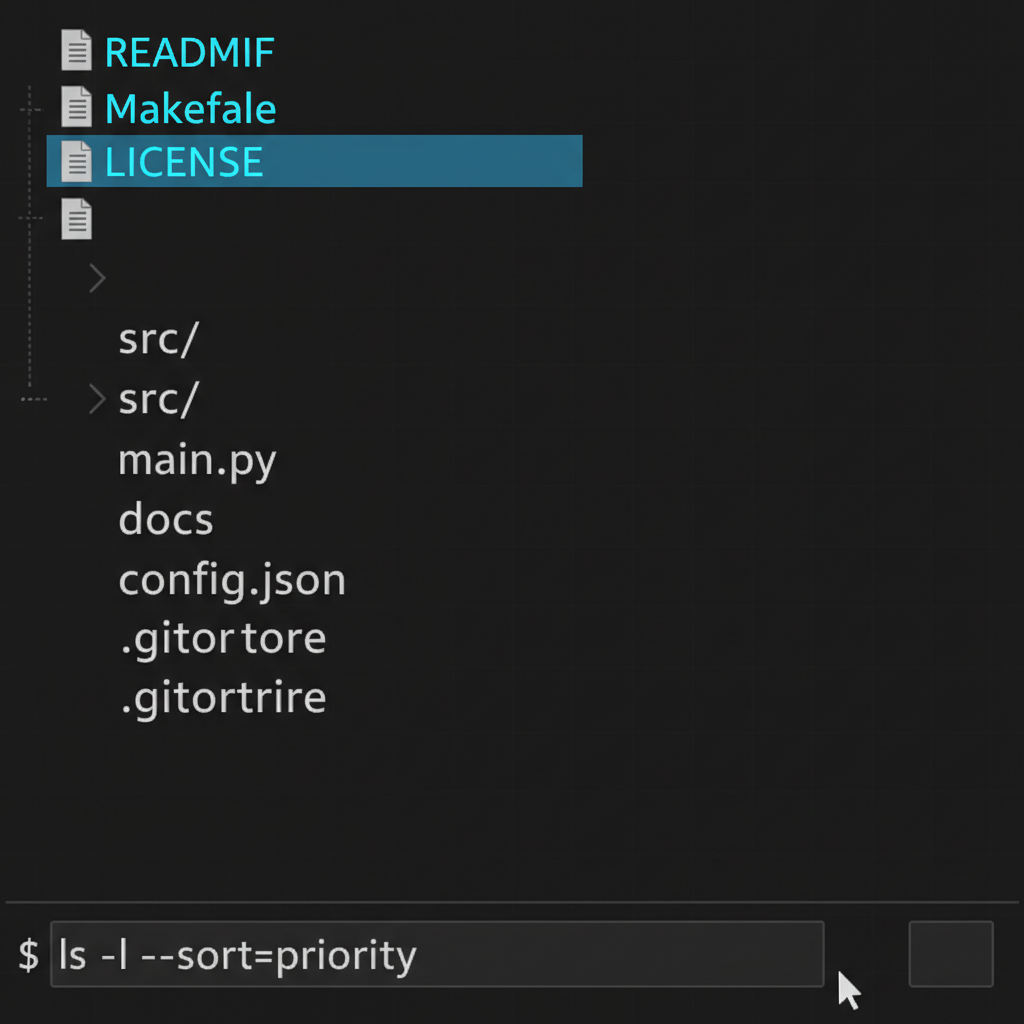
Traditional Unix systems established uppercase filenames for important files - README, Makefile, LICENSE. This wasn’t arbitrary; it leveraged the ASCII sorting order where uppercase letters precede lowercase, creating natural visual hierarchy in terminal listings.
Cover image for HTMX for AI Interfaces: Simplicity That Scales

HTMX for AI Interfaces: Simplicity That Scales

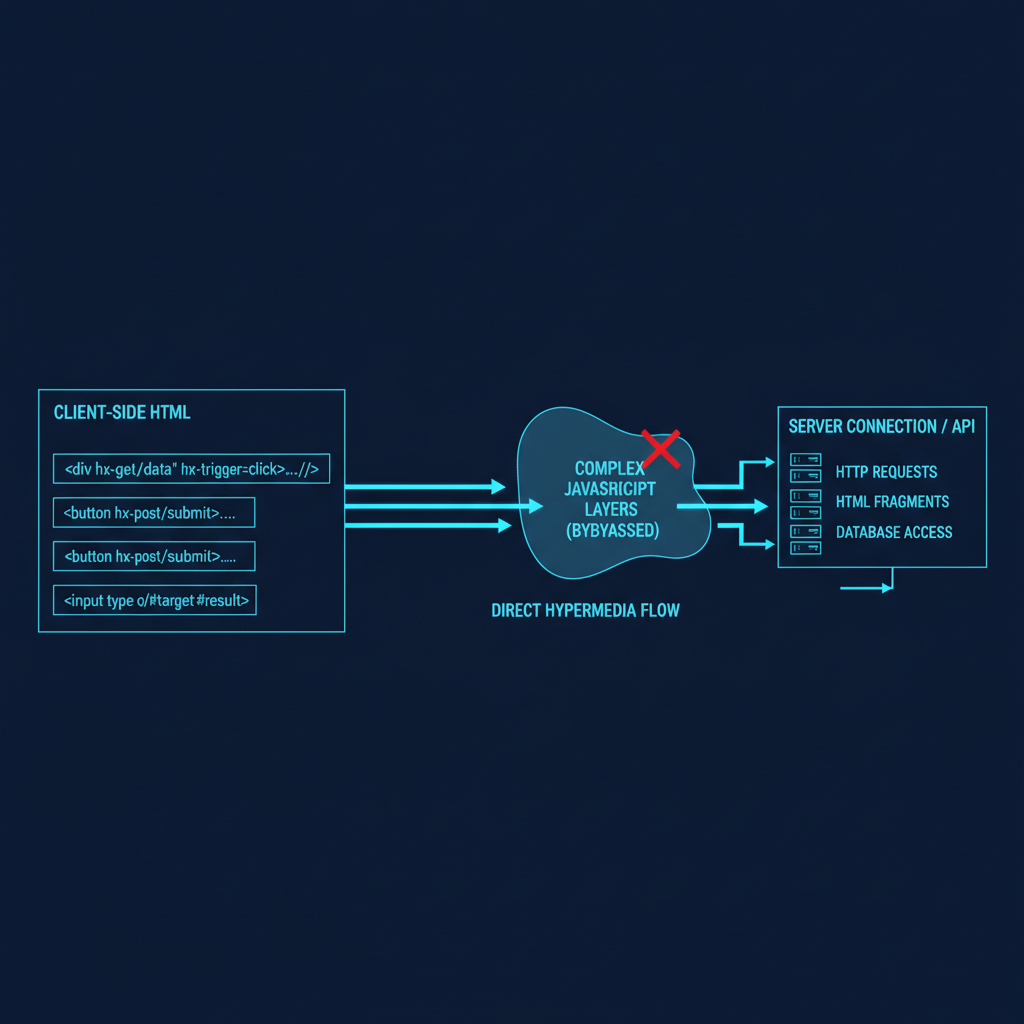
Modern AI applications demand responsive, real-time interfaces that can handle everything from streaming model outputs to live feature updates. HTMX offers a pragmatic approach to building these interfaces without the complexity of full JavaScript frameworks - particularly valuable when your team’s expertise lies in ML engineering rather than frontend development.

The Challenge: AI UIs Without Frontend Complexity

Building interfaces for AI systems presents unique challenges:

  • Streaming responses from large language models
  • Real-time visualization of training metrics
  • Dynamic form updates based on model predictions
  • Live collaboration on annotation tasks
  • Progressive disclosure of complex model outputs

Traditional approaches require substantial JavaScript expertise. HTMX changes this equation by extending HTML’s capabilities directly.

Cover image for Building Confidence Through Safety Nets with Git Reflog

Building Confidence Through Safety Nets with Git Reflog

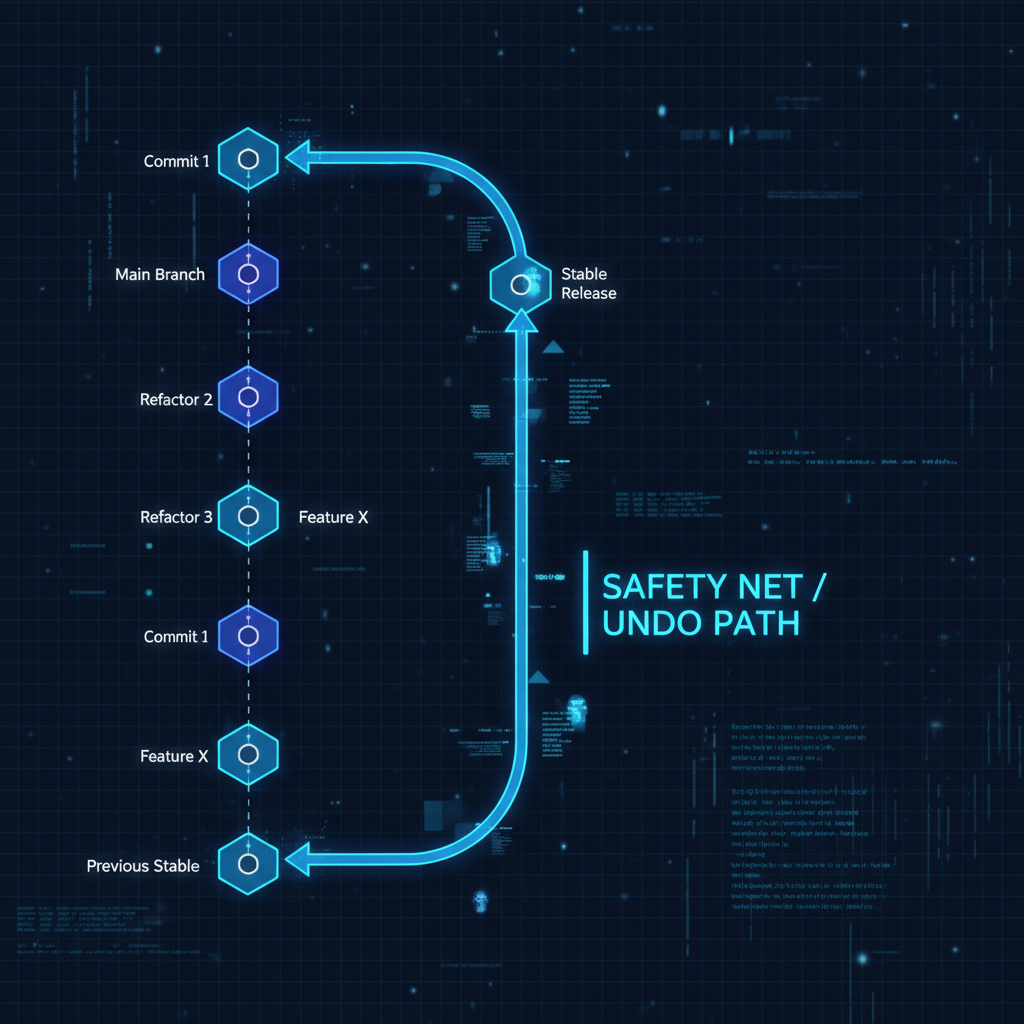
Developers often hesitate to experiment with Git operations because they fear irreversible mistakes. This hesitation slows down development and prevents teams from fully leveraging Git’s capabilities. The solution isn’t to be more careful—it’s to understand and use git reflog as a fundamental safety mechanism.

Understanding Git Reflog’s Role in Development Workflows

git reflog maintains a local history of every reference update in your repository. This includes commits, checkouts, resets, and rebases—essentially every action that moves HEAD or updates branch pointers. This reference log acts as a recovery mechanism, allowing you to restore your repository to any previous state within the reflog’s retention window (typically 90 days for reachable commits).

Cover image for Hiring Engineers Who Ship: A Practical Framework for AI Teams

Hiring Engineers Who Ship: A Practical Framework for AI Teams

Traditional hiring practices fail to identify the engineers who will actually deliver in production AI systems. The difference between a successful AI product and a failed experiment often comes down to hiring decisions made months earlier.

The Challenge: Identifying Real AI Talent

The AI talent market presents unique challenges:

  • Credential inflation (everyone claims ML experience)
  • Theory vs. implementation gaps
  • The difference between research and production mindsets
  • Rapidly evolving skill requirements
  • Competition from well-funded companies

Traditional interviews - whiteboard algorithms, system design discussions, behavioral questions - poorly predict success in AI engineering roles. We need a better approach.

Cover image for The MH-Matrix: Strategic Code Prioritization for AI-Powered Systems

The MH-Matrix: Strategic Code Prioritization for AI-Powered Systems

In production AI systems, not all code is created equal. Some components directly impact model inference speed, others affect data pipeline reliability, and some rarely execute but are critical when they do. The MH-Matrix provides a framework for strategically allocating engineering resources based on code criticality and usage patterns.

Developed through collaboration with Henry Rivera while scaling systems at Digital Turbine, this matrix has proven invaluable for teams building high-performance, AI-driven applications that serve millions of users.